Patient Safety
Welcome to our patient safety resource centre. In this space, we offer comprehensive support and up-to-date information on key aspects of patient safety to ensure that your pharmacy delivers care with the utmost precision and responsibility.
Accessible Information is defined as information that can be read or received and understood by the patient.
Advice for members on reporting an adverse drug reaction (ADR).
A chaperone policy is put into place to safeguard and protect patients and pharmacy staff.
Controlled drugs often have extra requirements on prescriptions and processes. Our guides provide clear insights into the prescription process, handling and legal considerations associated with controlled drugs.
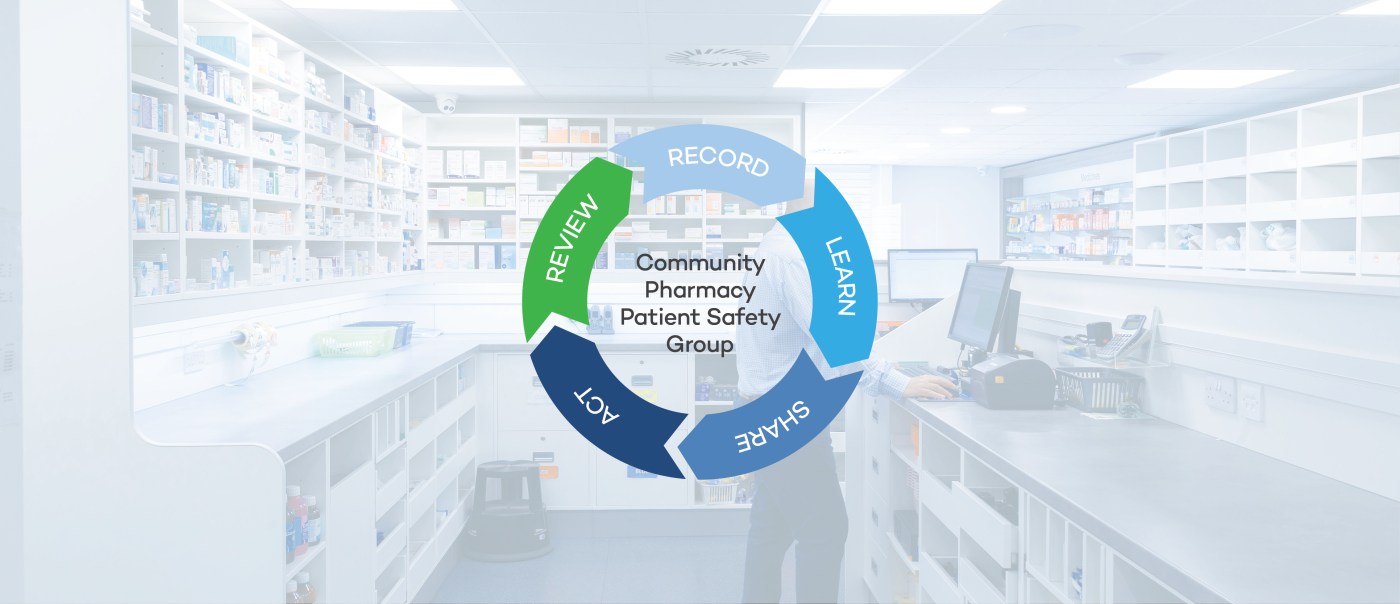
The CPPSG has spent 10 years improving patient safety in community pharmacy through shared learning, incident reporting, and sector-wide best practice. Numark is now a sponsorship partner, reinforcing its commitment to safe patient care. Members can access CPPSG resources such as Share and Learn cases, the Resources Hub, LASA guidance, and CD-focused videos on methadone and fentanyl.
All human beings make errors, so it is not surprising that pharmacists and their teams make mistakes.
LASA medicines can commonly be miss-selected during the dispensing process due to their similar names or similar looking packaging. How can the chance of errors be minimised?
Safety and medicines advice and guidance
Risk assessment templates to assess you current practice for selling OTC or P-med sales of medicines that may be liable to abuse.
Encourage your pharmacy team to review the latest bulletin together and embed the learning into your daily safety huddles, SOP discussions, and continuous improvement activities.
Find out more
Support and Resources to improve patient safety and nominate a Medication Safety Officer
Responsible pharmacist regulations come into effect on 1 October 2009.
Pharmacy teams have a professional, legal, moral and ethical duty to protect children and vulnerable adults from abuse or neglect, and to work with other organisations to safeguard vulnerable adults and children.
On Monday 1st July 2019 legislation allowing an emergency measure to manage supply called the Serious Shortage Protocol (SSP) in the event of a serious shortage of a medicine came into force.